About Induction Wads
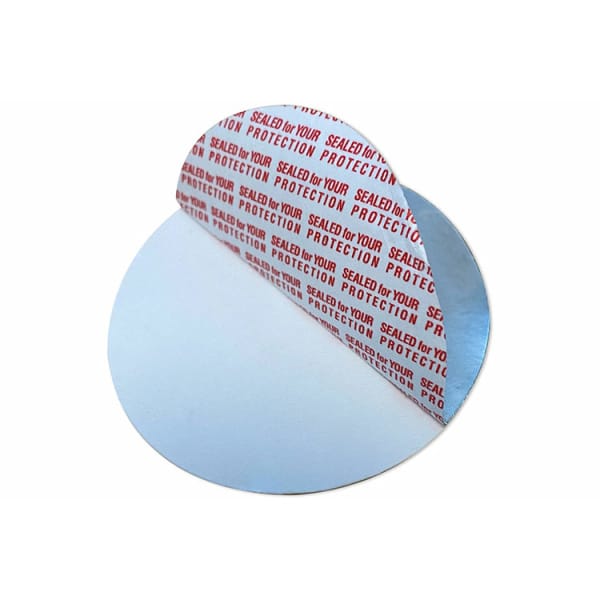
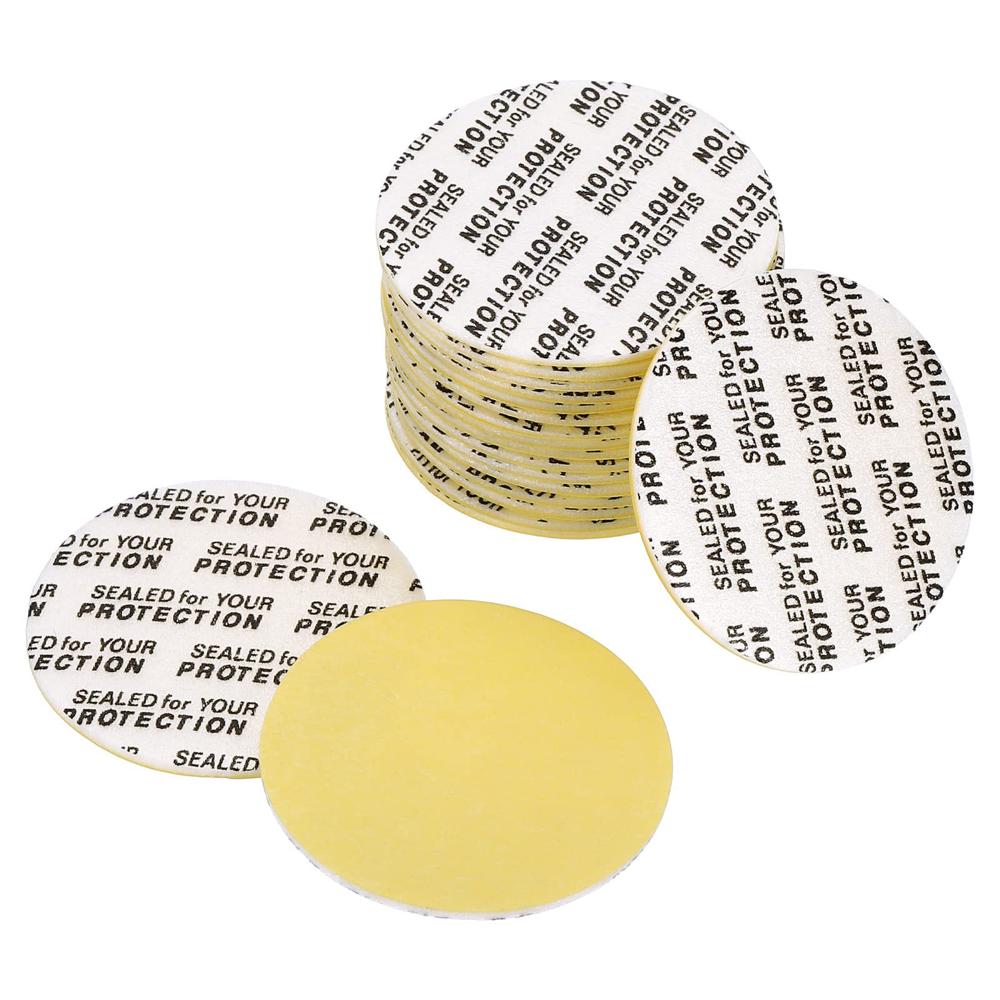
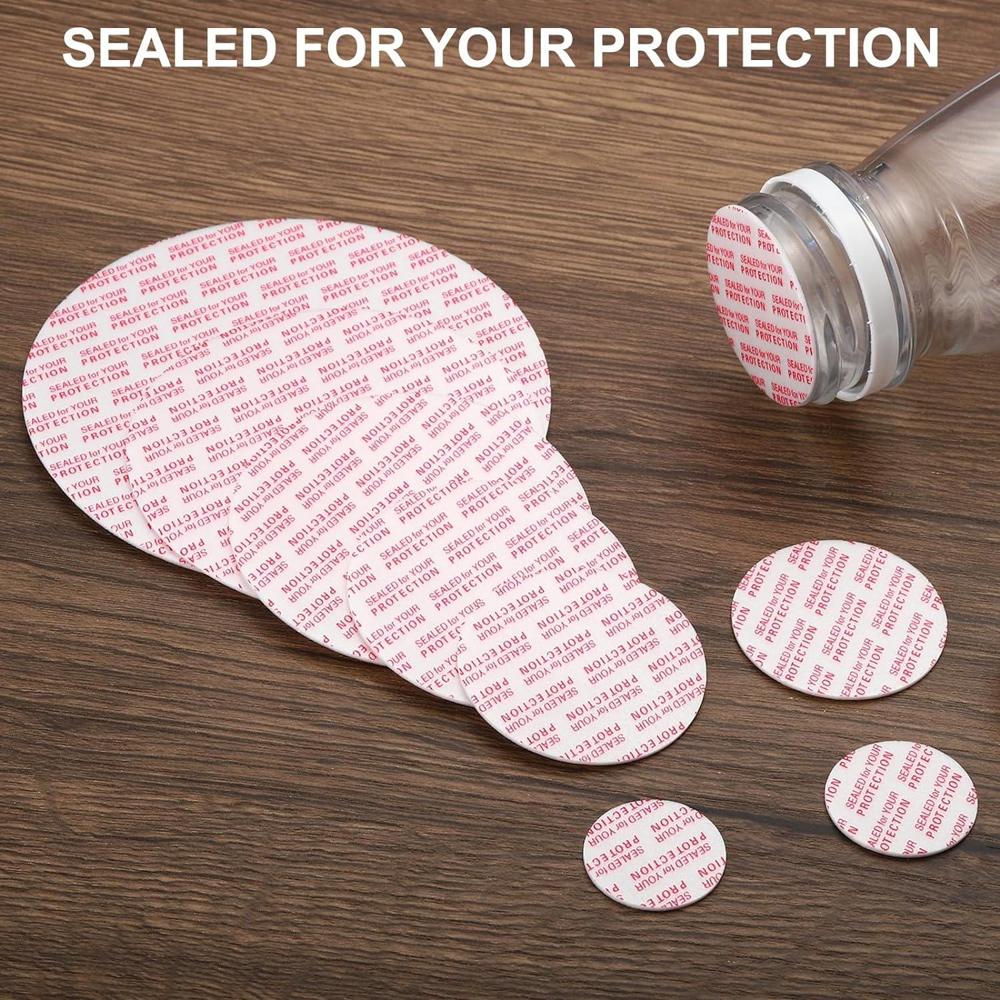
High-quality induction sealing wads for bottles and containers across the FMCG, pharmaceutical, cosmetics, food, agricultural, and chemical industries. All wads can be fully customised as per your technical needs.
Specifications
Overall Thickness: Available in multiple thickness options
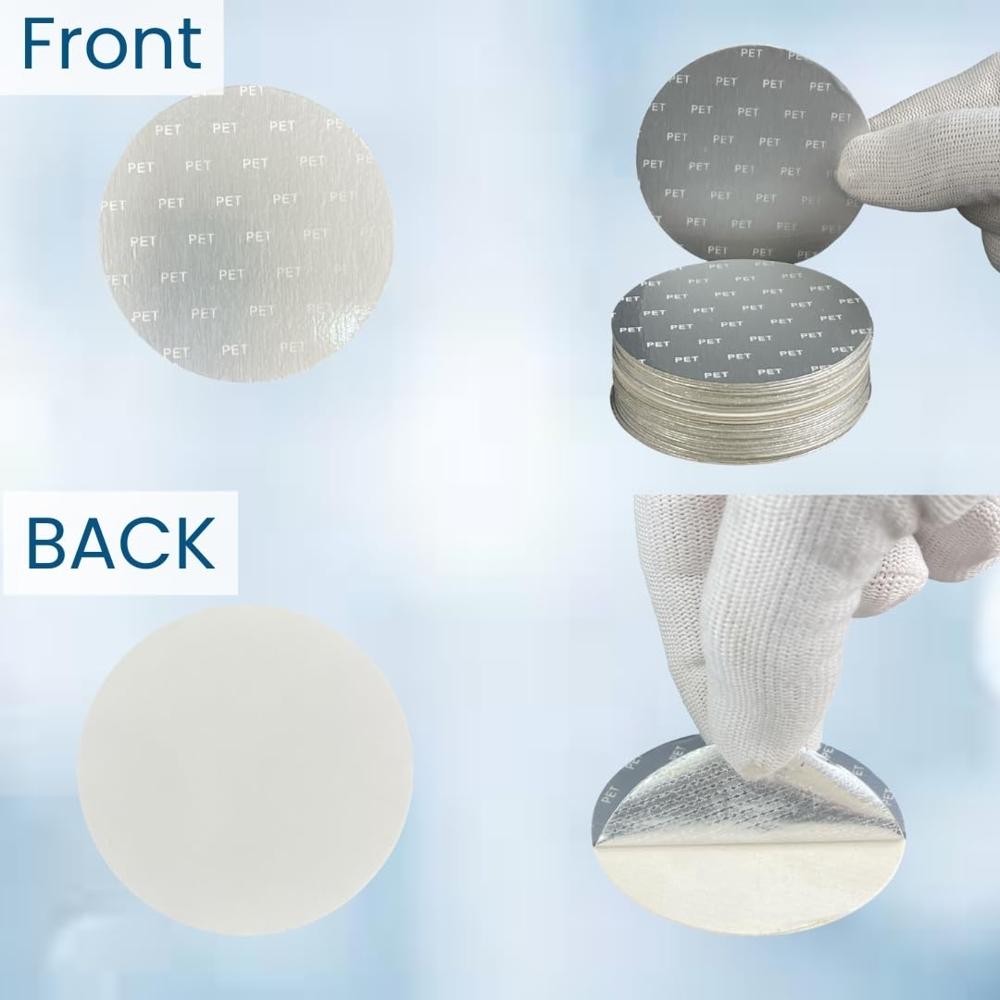
Material Structure: Poly, PET, Aluminium Foil, multilayer laminates
Board Thickness: Foam, paperboard, and customised thicknesses
Printing: Single-sided or double-sided printing in multiple colours
Custom Options
Any diameter or shape
One-piece / two-piece wads
Peelable, weld-seal, lift-n-peel
Venting wads, high-barrier options
Food-grade / pharma-grade materials
Versatile Applications Across Leading IndustriesInduction wads are integral to product safety and longevity in FMCG, pharmaceutical, cosmetics, food, agrochemical, and chemical sectors. They are tailored to suit diverse packaging needs, providing solutions for liquid, powder, and semi-solid products. Companies in India and abroad value induction wads for their versatility and robust protection, making them a trusted choice among manufacturers, suppliers, and exporters.
Reliable Sealing Process for Maximum ProtectionThrough electromagnetic induction, induction wads create a secure seal over bottle mouths, preventing leakage and tampering. This process does not require direct contact, making it efficient and hygienic. As a result, products remain uncontaminated from production to consumption. Service providers ensure consistent quality by adhering to global standards for every batch produced and supplied.
FAQ's of Induction Wads:
Q: How are induction wads used in packaging across various industries?
A: Induction wads are placed inside caps of containers, primarily made of plastic or glass. Using electromagnetic induction sealing machines, a strong, leak-proof seal is formed, protecting the contents from contamination and tampering. This method is widely used in FMCG, pharmaceutical, cosmetics, food, agro, and chemical industries.
Q: What are the primary benefits of using induction wads?
A: Induction wads provide several advantages such as tamper evidence, leak prevention, extended shelf life, and protection against external contaminants. They also maintain product freshness and ensure regulatory compliance, which is crucial in sensitive sectors like pharma and food.
Q: When should manufacturers or suppliers opt for induction wads?
A: Induction wads are recommended whenever products require secure and hygienic sealing, especially for items that can be affected by moisture, air, or tampering. They are ideal during packaging of pharmaceuticals, consumables, agrochemicals, and cosmetic goods to guarantee product safety and integrity during storage and transit.
Q: Where in India can induction wads be sourced from reputable suppliers?
A: Induction wads can be sourced from established manufacturers, exporters, service providers, and suppliers across India. Several reliable Indian companies cater to domestic and international markets, offering customized solutions for various industry needs.
Q: What is the process of induction sealing with these wads?
A: The process involves placing the induction wad in the cap, capping the bottle, and passing it under an induction sealing machine. The induced electromagnetic current heats the wad's foil layer, bonding it to the container's rim to create a hermetic and tamper-evident seal.
Q: How do induction wads contribute to product safety and compliance?
A: Induction wads help maintain product authenticity, meet industry regulations, and provide visible evidence of tampering. This is especially significant in pharmaceuticals, food, and chemical packaging, where safety and quality assurance are mandatory for consumer trust.






 English
 Spanish
 French
 German
 Italian
 Chinese (Simplified)
 Japanese
 Korean
 Arabic
 Portuguese
 Send Inquiry
 Send Inquiry

